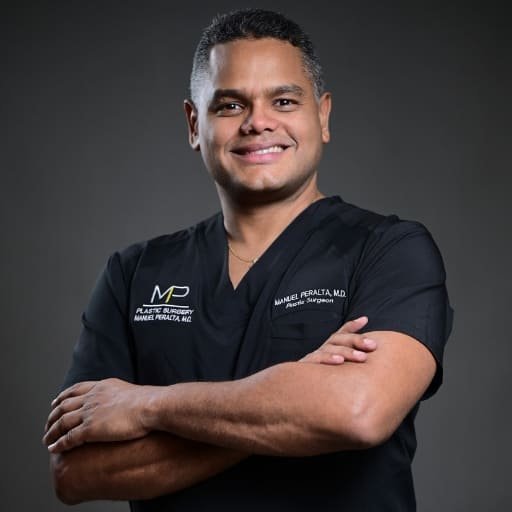
DR. MANUEL PERALTA
PLASTIC SURGEON

Tummy Tuck Dominican Republic — The Abdominal Restoration Framework of Dr. Manuel Peralta
Tummy tuck Dominican Republic patients who arrive at CECILIP in Santo Domingo are rarely seeking a single outcome. They are seeking the restoration of an abdomen that changed through pregnancy, through significant weight loss, or through the gradual redistribution that time and hormonal shifts produce in the abdominal wall.
Dr. Manuel Peralta approaches every tummy tuck Dominican Republic case with a framework that begins not with the surgery, but with the anatomy mapping exactly what changed, in which layer of the abdominal wall, and what the correct surgical response to each change is.
This specificity is what separates a tummy tuck result that looks genuinely restored from one that simply looks operated.
Table of Contents
What the Abdomen Actually Loses — And What Tummy Tuck Specifically Restores
Most patient-facing content describes tummy tuck as “removing excess skin and tightening muscles.” This is accurate but incomplete. Understanding what the procedure actually addresses at each anatomical layer allows patients to evaluate whether tummy tuck is the right procedure for their specific situation.
The abdominal wall is organized in four distinct layers, each capable of independent change:
Layer 1 — Skin Skin stretches to accommodate pregnancy or weight gain. When the distending force is removed after delivery, after weight loss skin does not fully retract. The degree of retraction depends on the patient’s age, skin quality, and the magnitude and duration of the stretch. Tummy tuck removes excess skin that cannot retract further and repositions the remaining skin under appropriate tension.
Layer 2 — Subcutaneous fat The fat layer beneath the skin changes in volume and distribution with weight gain, pregnancy, and hormonal shifts particularly postmenopausal redistribution toward the lower abdomen. Tummy tuck removes some subcutaneous fat directly, and Dr. Manuel Peralta frequently combines the procedure with targeted liposuction of the flanks and waist to produce comprehensive contour correction.
Layer 3 — Fascia and the linea alba This is the layer that most patients don’t know about and the one that tummy tuck uniquely addresses surgically. The linea alba is the connective tissue midline that runs between the two sides of the rectus abdominis muscles. Pregnancy and in some cases significant weight gain stretches this connective tissue, separating the rectus muscles laterally. This separation is called diastasis recti.
Layer 4 — The rectus abdominis muscles themselves The muscles do not typically tear or weaken during pregnancy. The problem is the fascial envelope that contains them. Plication the surgical tightening of this fascial layer restores muscle approximation and the functional integrity of the abdominal wall.
Diastasis Recti — The Most Underdiagnosed Variable in Tummy Tuck Planning
Diastasis recti is present in a significant proportion of women who have experienced pregnancy yet most arrive at tummy tuck consultations without knowing they have it. It is the reason many post partum women cannot achieve a flat abdomen regardless of diet and exercise and it is the reason exercise alone cannot correct the problem.
The clinical presentation is characteristic: a visible or palpable ridge or dome that appears along the midline when performing a crunch or sit-up. The abdomen may bulge forward with exertion. Some patients describe a sensation of core weakness or lower back instability that does not respond to physical therapy.
Sit-ups, planks, and core exercises do not repair diastasis recti. In some cases, certain exercises actively worsen the separation by increasing intra abdominal pressure against a weakened midline. Surgical plication the correction of the fascial separation is the only definitive treatment.
Dr. Manuel Peralta evaluates diastasis recti during every tummy tuck Dominican Republic consultation at CECILIP.
He measures the width and length of the separation and incorporates fascial plication as the structural core of the procedure when indicated not as an optional add on.
The functional benefits of diastasis repair extend beyond aesthetics: patients consistently report improved core stability, reduction in the chronic lower back pain associated with muscular imbalance, and improved posture in the months following surgery.
Tummy Tuck vs. Liposuction — The Clinical Decision Framework
One of the most frequent questions Dr. Manuel Peralta receives from tummy tuck Dominican Republic prospective patients is this: “Do I need a tummy tuck, or would liposuction be enough?“
The answer is determined by evaluating three independent variables:
Variable 1 — Skin laxity Liposuction removes fat. It does not remove skin. Patients with significant excess skin the kind that hangs, folds, or does not retract when the underlying fat is reduced will not achieve a satisfactory result with liposuction alone. Removing fat from beneath lax skin may actually worsen the appearance of skin looseness by eliminating the volume that was giving the skin its current shape.
Patients with good skin elasticity and localized fat deposits without skin excess are appropriate liposuction candidates.
Variable 2 — Diastasis recti If diastasis recti is present and contributing to the abdominal contour complaint, liposuction cannot address it. Only tummy tuck with fascial plication corrects the muscular separation.
Variable 3 — Subumbilical skin excess Skin excess below the navel the area most commonly affected by post-pregnancy or post-weight-loss changes requires tummy tuck to address. Liposuction cannot remove skin. For patients whose primary concern is the lower abdominal skin panel, tummy tuck is the indicated procedure.
Dr. Manuel Peralta presents this framework transparently during consultation including cases where liposuction alone is the correct recommendation. A patient whose anatomy calls for liposuction will not receive a tummy tuck recommendation at CECILIP.
Types of Tummy Tuck — Matched to Anatomy, Not to Price Tiers
Tummy tuck Dominican Republic surgery at CECILIP is not offered as a menu of options at different price points.
The procedure type is determined by the patient’s anatomy specifically the extent of skin excess, the presence and severity of diastasis recti, and the involvement of the lateral abdominal wall and flanks.
Mini Tummy Tuck
Addresses skin excess confined to the area below the navel. The navel is not repositioned. Appropriate for patients with minimal, localized lower abdominal skin laxity and no significant diastasis recti above the navel level. Often combined with liposuction of the upper abdomen to address fat without skin excess in that zone.
Full Abdominoplasty (Standard Tummy Tuck)
The most comprehensive and most frequently performed procedure in tummy tuck Dominican Republic cases at CECILIP.
Addresses the full abdominal panel from the pubic area to the lower ribcage. The navel is repositioned through a separate incision as the skin is advanced downward. Full fascial plication corrects diastasis recti along the entire vertical extent of the separation.
Extended Abdominoplasty
The standard tummy tuck incision is extended laterally around the flanks and sometimes into the lower back to address skin excess that extends beyond the anterior abdominal wall. Indicated for patients who have lost substantial weight and carry excess skin circumferentially, not only on the front of the abdomen.
Fleur de Lis Abdominoplasty
Adds a vertical incision component to the standard horizontal scar allowing removal of excess skin in both the horizontal and vertical dimensions simultaneously. Indicated for patients with significant horizontal skin laxity in addition to the vertical excess that standard abdominoplasty addresses. Primarily used in post-bariatric cases with extensive skin excess.
C-Section Patients — A Specific Consideration
A significant proportion of tummy tuck Dominican Republic patients have had one or more cesarean sections. For these patients, Dr. Manuel Peralta’s surgical planning incorporates two specific considerations:
Scar incorporation The tummy tuck horizontal incision is placed at or below the existing C-section scar in most cases. This means the C-section scar is removed entirely or incorporated into the tummy tuck scar as part of the procedure. Patients who are self-conscious about their C-section scar often find this one of the most welcome outcomes of tummy tuck surgery.
Adhesion assessment C-section surgery creates adhesions between the skin, subcutaneous tissue, and underlying fascia. These adhesions affect the mobility of the abdominal skin during tummy tuck and must be released surgically to allow proper skin advancement. Dr. Manuel Peralta evaluates the presence and extent of adhesions during consultation and accounts for this in the surgical plan.
Timing — When to Proceed with Tummy Tuck
After pregnancy Dr. Manuel Peralta recommends waiting a minimum of six months after the final delivery before proceeding with tummy tuck Dominican Republic surgery.
This allows complete uterine involution, hormonal stabilization, and the return of baseline abdominal skin tone. Patients who are breastfeeding should wait until breastfeeding is complete, as hormonal changes during lactation affect tissue quality and healing.
Patients who plan additional pregnancies should ideally complete their family before tummy tuck. Subsequent pregnancy after tummy tuck is not contraindicated but it will affect the result.
After weight loss Patients who have achieved significant weight loss through diet, exercise, or bariatric surgery should reach a stable goal weight maintained for a minimum of three to six months before tummy tuck Dominican Republic surgery.
A stable weight allows accurate assessment of remaining skin excess and ensures that the result will not be compromised by subsequent weight fluctuation.
After C section A minimum of twelve months after cesarean delivery is recommended before tummy tuck, allowing full healing of the uterine and fascial incision sites. In most cases, Dr. Manuel Peralta recommends waiting until the patient has completed her family if additional C sections are anticipated.
Recovery — What Patients Actually Need to Plan For
“When does the discomfort peak?” Days 1–3. The most significant discomfort involves the tension of the abdominal closure and the restriction of standing fully upright. Patients walk in a slightly flexed position for the first few days this is expected and protects the closure.
“When can I stand straight?” Week 1–2. Most patients are fully upright by day 7–10 as swelling and tension decrease.
“When can I fly home?” Day 12–14 for most international patients. Tummy tuck requires the longest in-country recovery of Dr. Manuel Peralta’s common procedures the wound complexity and drain management during the first week make early close monitoring essential.
“When do I go back to work?” Week 3–4 for desk-based roles. Week 6–8 for physically demanding work.
“When can I exercise?” Walking from day 3. Light lower body activity at week 4–6. Full abdominal exercise carefully and progressively at week 8–12, cleared by Dr. Manuel Peralta at follow up.
“When is the final result visible?” Month 3 as swelling resolves. Month 6 for the definitive result. The horizontal scar continues maturing for 12–18 months fading from pink to a fine, pale line positioned within the bikini line.
Cost of Tummy Tuck Dominican Republic with Dr. Manuel Peralta
Every tummy tuck Dominican Republic package at CECILIP is all inclusive and priced individually.
The cost of your procedure is determined by your specific anatomy, the type of abdominoplasty indicated mini, full, or extended the complexity of the fascial repair required, and any combination procedures performed in the same session. Dr. Manuel Peralta provides a detailed, personalized quote during consultation after evaluating your case directly, never before.
Each package covers:
- Surgeon’s fee Dr. Manuel Peralta personally
- Board certified anesthesiologist
- CECILIP surgical facility
- Drain management during recovery
- All in country follow up appointments
- Structured virtual follow up after international patients return home
Frequently Asked Questions About Board-Certified Plastic Surgeons in Dominican Republic
What is the difference between a tummy tuck and liposuction?
Tummy tuck removes excess skin, repairs diastasis recti through fascial plication, and repositions the navel. Liposuction removes fat but cannot address skin laxity or muscle separation. Patients with significant skin excess, diastasis recti, or post pregnancy abdominal changes typically require tummy tuck. Patients with localized fat deposits and good skin elasticity may be appropriate liposuction candidates. Dr. Manuel Peralta evaluates both variables during consultation at CECILIP.
What is diastasis recti and can tummy tuck fix it?
Diastasis recti is the separation of the rectus abdominis muscles along the midline linea alba a common consequence of pregnancy and significant weight gain. It cannot be corrected through exercise. Tummy tuck includes fascial plication the surgical repair of the connective tissue separation as part of the procedure when diastasis is present. Dr. Manuel Peralta measures the width and length of the separation during consultation and incorporates repair into the surgical plan.
Can I get a tummy tuck if I had a C-section?
Yes. Tummy tuck Dominican Republic surgery at CECILIP is routinely performed on patients with prior C-section history. The tummy tuck incision is typically placed at or below the existing C section scar often incorporating or eliminating it entirely. Dr. Manuel Peralta also addresses fascial adhesions from the C section during surgery to allow proper skin advancement.
How long should I wait after pregnancy to get a tummy tuck?
A minimum of six months after final delivery is recommended. Patients who are breastfeeding should wait until breastfeeding is complete. Dr. Manuel Peralta recommends completing your family before tummy tuck surgery if additional pregnancies are planned though subsequent pregnancy is not contraindicated.
How long do I need to stay in Dominican Republic after tummy tuck?
Most international patients remain for 12 to 14 days following tummy tuck Dominican Republic surgery. This window covers drain management, wound monitoring, compression garment adjustment, and the critical follow up appointments that confirm healing is progressing correctly before travel.
Will my tummy tuck scar be visible?
The tummy tuck scar is placed horizontally within the bikini line below the waistband of underwear or swimwear in most cases. The scar matures over 12–18 months from an initial pink line to a faded, pale mark. Dr. Manuel Peralta’s incision planning specifically accounts for scar placement within clothing coverage zones.
Can I combine tummy tuck with other procedures?
Yes. Dr. Manuel Peralta frequently combines tummy tuck with liposuction of the flanks and waist, and in Mommy Makeover cases, with breast surgery. Combining procedures is evaluated individually based on the patient’s medical profile, the estimated surgical time, and the anesthesia duration. When safe and appropriate, combination procedures reduce total recovery time and overall cost.
How much does a tummy tuck cost in Dominican Republic?
The cost of tummy tuck Dominican Republic surgery at CECILIP is personalized determined by your physical profile, the type of abdominoplasty indicated, the complexity of the repair, and any combination procedures. Dr. Manuel Peralta provides a transparent, itemized quote during consultation after evaluating your case directly. What the package always includes: surgeon’s fee, board-certified anesthesiologist, surgical facility, drain management, in country follow up, and virtual follow up after returning home.
Schedule Your Tummy Tuck Consultation
The abdomen you want back is achievable. Whether the change was created by pregnancy, weight loss, or time Dr. Manuel Peralta’s clinical framework identifies exactly what needs to be addressed and builds a surgical plan that restores it with precision.
Schedule your free consultation at CECILIP and begin the process of understanding exactly what tummy tuck Dominican Republic surgery can do for your specific anatomy.
Get a free consultation